

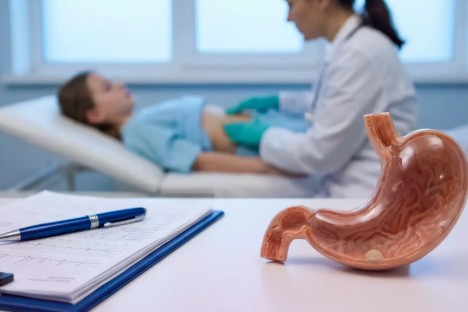
Digestive health plays a major role in a child’s growth, nutrition, immunity, and overall development. When digestive problems become persistent or complex, they can affect everything from physical growth to daily comfort and emotional well-being. Conditions such as chronic abdominal pain, constipation, reflux disorders, food allergies, inflammatory bowel diseases, and liver-related concerns often require specialized medical care. This is why many families seek support from a pediatric gastroenterologist in Vijayawada for accurate diagnosis and child-focused treatment planning.
Pediatric digestive disorders differ from adult gastrointestinal conditions because children’s bodies are still developing. Specialized care focuses not only on treating symptoms but also on supporting nutrition, growth, and long-term wellness.
Understanding Pediatric Digestive Health Conditions
Digestive disorders in children can range from temporary discomfort to chronic conditions requiring ongoing medical supervision. These conditions may affect the stomach, intestines, liver, pancreas, or overall digestive function.
Common pediatric digestive conditions include:
- Acid reflux and GERD
- Chronic constipation
- Irritable bowel disorders
- Food allergies and intolerances
- Inflammatory bowel disease (IBD)
- Liver and pancreatic disorders
- Nutritional absorption issues
- Celiac disease
Because symptoms in children can appear differently than in adults, proper diagnosis becomes extremely important for effective treatment.
Why Specialized Pediatric Care Matters
Children require age-specific treatment approaches that consider their physical growth, emotional health, and developmental needs. Pediatric specialists are trained to identify digestive issues early while ensuring treatments remain safe and suitable for children.
Specialized pediatric care focuses on:
- Child-friendly diagnostic methods
- Nutrition-based treatment planning
- Growth and developmental monitoring
- Long-term symptom management
- Preventive healthcare support
This structured approach helps children recover more effectively while maintaining healthy development.
How Pediatric Specialists Manage Complex Digestive Conditions
These treatment approaches highlight how pediatric specialists combine diagnostics, nutritional care, and continuous monitoring to improve digestive health outcomes in children.
1. Detailed Symptom Evaluation and Diagnosis
The first step in managing digestive disorders involves understanding the child’s medical history, symptoms, eating habits, and growth patterns.
Specialists carefully assess:
- Frequency and severity of symptoms
- Nutrition and eating patterns
- Family medical history
- Growth and weight changes
- Behavioral and sleep patterns
This detailed evaluation helps identify possible underlying causes more accurately.
2. Advanced Diagnostic Testing
Complex digestive conditions often require specialized tests to confirm diagnoses and rule out other health concerns.
Common diagnostic methods include:
- Blood and stool testing
- Ultrasound and imaging scans
- Endoscopy and colonoscopy
- Allergy assessments
- Liver function testing
These investigations help specialists understand how the digestive system is functioning and guide treatment decisions more effectively.
3. Personalized Nutrition and Diet Management
Nutrition is one of the most important parts of pediatric digestive care. Many digestive disorders directly affect appetite, nutrient absorption, and healthy growth.
Nutritional management may include:
- Customized meal planning
- Elimination diets for allergies
- Nutritional supplementation
- Hydration support
- Monitoring healthy weight gain
Proper dietary management can significantly reduce symptoms while supporting overall development and energy levels.
4. Long-Term Monitoring and Preventive Care
Certain digestive conditions require continuous medical supervision rather than short-term treatment alone. Pediatric specialists monitor progress regularly to ensure healthy growth and symptom control.
Many families consult a pediatric gastroenterologist in Vijayawada for long-term digestive care plans focused on improving nutritional balance, digestive function, and overall child wellness through structured evaluations and treatment strategies.
Continuous monitoring also helps prevent complications and supports better long-term outcomes.
5. Managing Chronic Digestive Discomfort
Persistent stomach pain or digestive discomfort in children can sometimes indicate more serious gastrointestinal conditions. Pediatric specialists evaluate whether symptoms are linked to inflammation, infections, food sensitivities, or digestive disorders.
Treatment approaches may involve:
- Medication management
- Dietary modifications
- Lifestyle adjustments
- Stress management support
- Regular symptom tracking
Early treatment helps improve comfort and daily quality of life for children.
6. Treatment of Food Allergies and Intolerances
Food allergies and intolerances are increasingly common among children and can affect both digestion and nutritional health.
Pediatric specialists help by:
- Identifying trigger foods
- Designing balanced dietary plans
- Monitoring nutritional intake
- Preventing allergic complications
- Guiding parents on food management
This approach helps children maintain proper nutrition while reducing digestive discomfort.
7. Child-Friendly Treatment Environments
Children often feel anxious during medical visits and procedures. Pediatric healthcare environments are designed to create a more comfortable and supportive experience.
Child-focused healthcare settings help by:
- Reducing emotional stress
- Encouraging better communication
- Improving treatment cooperation
- Supporting family involvement
- Making long-term care easier to manage
A supportive environment plays an important role in improving treatment outcomes and patient comfort.
Collaborative Pediatric Healthcare Approach
Complex digestive disorders may require coordination between multiple healthcare specialists. Pediatric gastroenterologists often work closely with nutritionists, pediatricians, surgeons, and other experts to provide comprehensive care.
Many parents also seek support from the best gastroenterologist pediatric in Vijayawada when children require advanced evaluations, nutritional support, or multidisciplinary treatment planning for chronic digestive conditions.
Collaborative healthcare ensures children receive more complete and well-rounded treatment support.
Importance of Early Medical Attention
Digestive symptoms in children should not be ignored when they become frequent or persistent. Delayed treatment can sometimes affect growth, immunity, and overall development.
Warning signs requiring medical attention include:
- Chronic stomach pain
- Frequent vomiting
- Poor weight gain
- Persistent diarrhea or constipation
- Blood in stools
- Difficulty eating or swallowing
Early consultation improves treatment effectiveness and recovery outcomes.
Conclusion
Managing complex digestive health conditions in children requires specialized medical expertise, timely diagnosis, nutritional support, and long-term care planning. Pediatric specialists play a vital role in improving digestive health while supporting healthy growth, immunity, and developmental progress. With proper treatment and continuous monitoring, many digestive conditions can be effectively managed, helping children maintain healthier and more comfortable lives.
If you are looking for advanced pediatric healthcare with specialized digestive treatment support, choosing an experienced healthcare institution becomes important for long-term child wellness. Ankura Hospital provides comprehensive healthcare services for women and children through advanced facilities and experienced healthcare professionals. The hospital offers multidisciplinary pediatric care in a child-friendly environment focused on quality treatment and long-term wellness. Its integrated healthcare system also supports coordinated care from specialists, including the best pediatric neurologist doctor in Hyderabad.

