

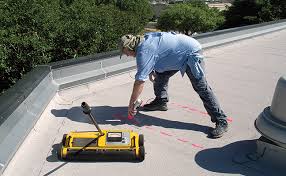
There are flat roofs all over the place in the residential communities and business territories of Denver. They are economical, convenient for rooftop patio additions, and fit in nicely with the contemporary architectural trends of the city. But there is a very dark challenge that we see a lot of property owners falling into, which they often do not realise until it is too late.
Well, these designs trap moisture in ways that sloped roofs simply do not, and that standing water becomes an invitation for pests seeking housing and breeding grounds. Flat roofs are a pest magnet all year round when you combine the water pooling with the warmth of the structure.
Roofing and pest control professionals can help you determine if you need a specialized solution to your problem or if something is not working for your roof. You can always talk to experts and keep your home pest free in Denver so that you do not face potentially expensive damage in the coming months.
How Flat Roofs Hold Water Longer Than You Think
Flat roofs have a very slight pitch (typically 1-2%) in spite of their name. With around 300 days of sunshine in Denver a year, that little slope may just not cut it. That water has to go somewhere when the Portland metro(-ish) area receives its typical 17 inches of precipitation every year.
The problem? A low place where water pools for days or weeks after storms will develop due to the accumulation of debris, the settling of soil, and the passing of years.
But here is how Denver’s climate makes it worse:
The high-altitude location of Denver, at 5,280 feet, has its advantages, offering significant UV exposure that causes roofing membrane degradation faster than in most cities. When you factor in temperature swings that can vary 40 degrees in a 24-hour period, it adds up to a lot of expansion and contraction, and in turn, multiple stresses on the material. Such minimal indentations and fissures allow moisture to enter and become trapped below their surface layers, and without property owners seeing it until the damage worsens.
Why Flat Roof Insulation Attracts Overwintering Pests
When the temperature is cool in Denver, pests want somewhere to go and hibernate. Flat roof insulation is all that they require: warmth, shelter, and accessibility. It is known that rodents, wasps, and even cluster flies can pick up on the heat signature from HVAC systems and the heat of the building radiating through the roof structure.
Dampness also softens materials and makes it easier for moisture to burrow into insulation, so if there is any moisture damage to the insulation, it is even more appealing. When the pests get into these spaces, they become nearly impossible to eradicate because the insulation layers create a pathway throughout the roof system that is hidden from sight.
Moisture-Control Measures That Actually Work for Flat Roofs
Proper drainage is everything. This is where adding more drains or scuppers, or upgrading your existing drainage system, really helps manage Denver’s summer thunderstorm intensity!
It is important to schedule regular roof inspections, particularly following the spring snowmelt and prior to winter, to detect minor issues before they can lead to costly repairs. Tapered insulation systems slope water toward drains, thereby eliminating those chronic low spots where water collects.
It is especially important to seal penetrations around HVAC units, vents, and utility lines to prevent pests. Saela Pest Control focuses exclusively on Denver property owners and knows how local pest species act with the seasons to determine which approach will work according to pests in your home.
When their expert knowledge is paired with an appropriate moisture management solution, you have a winning combination of year-round prevention to protect your investment. So, make sure you speak to an expert and also follow strict moisture control.

